
About The Profession
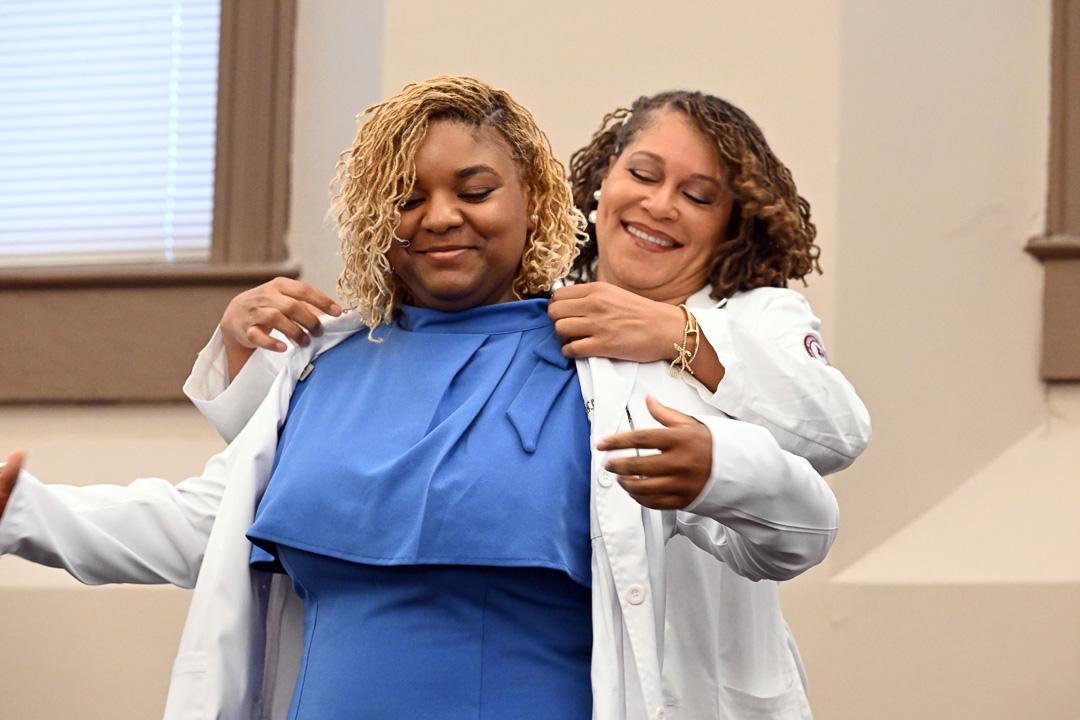
A Physician Assistant (PA) is a nationally certified and state-licensed medical professional. PAs practice medicine on healthcare teams with physicians and other providers. They practice and prescribe medication in all 50 states, the District of Columbia, the majority of the U.S. territories and the uniformed services. Recently, the PA profession topped US News and World Report's job ranking list.
Frequently Asked Questions
What can Physician Assistants do?
The function of a Physician Assistant (PA) varies based on training, experience, state law, and the scope of the supervising physician’s practice. In general, PAs provide many of the same services as physicians. They can evaluate patients, diagnose illnesses, order and interpret diagnostic tests, develop treatment plans, and prescribe medications where authorized by state law. All 50 states, the District of Columbia, and Guam have enacted laws allowing PAs to prescribe medications within the physician-PA practice relationship.
PAs provide a broad range of diagnostic and therapeutic healthcare services. They work in primary care specialties such as family medicine, internal medicine, pediatrics, and obstetrics and gynecology. They also practice in medical and surgical specialties including oncology, endocrinology, rheumatology, plastic and reconstructive surgery, orthopedics, cardiology, dermatology, and interventional radiology.
As part of their responsibilities, PAs conduct patient interviews, perform physical examinations, diagnose and treat illnesses, counsel patients on preventive healthcare, and assist in surgical procedures. Physician Assistants also contribute to higher education and clinical research.
Numerous studies have shown that the quality of care provided by Physician Assistants is comparable to that provided by physicians in similar situations, with high levels of patient satisfaction. Research also demonstrates that PAs help improve access to care while maintaining quality and cost-effectiveness (adapted from Mittman, DE, Fenn, WH, Cawley, JF, 2012).
For more information about the Mississippi State University Master of Physician Assistant Studies Program, please contact pa@meridian.msstate.edu.
How are Physician Assistants educated and trained?
Physician Assistants are educated at the master's degree level. With more than 300 PA programs across the United States, admission is highly competitive and typically requires a bachelor's degree and completion of specific prerequisite coursework. Most PA programs range from 24 to 36 months in length.
During the didactic phase of training, PA students complete rigorous coursework in basic medical sciences, clinical decision-making, clinical skills, pharmacology, health promotion and disease prevention, behavioral sciences, and medical ethics.
During the clinical phase, students complete more than 2,000 hours of supervised clinical experience. Clinical rotations are completed in a variety of healthcare settings and specialties, including family medicine, internal medicine, women's health, pediatrics, general surgery, emergency medicine, and behavioral medicine.
For additional information about PA education, visit PAEA Online.
For more information about the Mississippi State University Master of Physician Assistant Studies Program, please contact pa@meridian.msstate.edu.
For more information about the profession, please review the PA professional websites listed below. For more information on the Master of Physician Assistant Studies Program, please contact (pa@meridian.msstate.edu).
Physician Assistant Profession Quick Facts
- Licensed healthcare professionals
- Practice medicine in all 50 states
- Can diagnose and treat patients
- Can prescribe medications
- Work in primary care and specialty settings
- Educated at the master's degree level
- Complete more than 2,000 clinical training hours